St Catherine’s Hospital Obesity Clinic
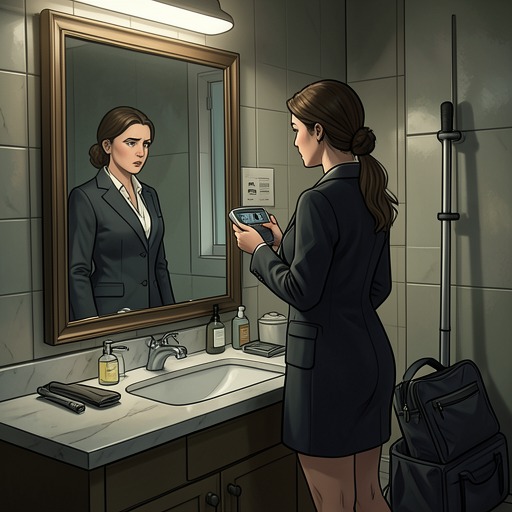
Bridget Jones: Mad About the BoySt Catherine’s Hospital Obesity Clinic enters the story as both a place of treatment and a challenge to Bridget Jones’s shifting sense of her body. Referred there after worrying that her abdomen had not returned to its former shape following pregnancy, she first reacts defensively to the suggestion that she attend an obesity clinic. Her visits replace vague hopes of dieting with tests, measured progress, and instructions, but they do not remove the shame and self-consciousness surrounding weight. The clinic’s importance lies in that tension: it makes bodily change legible as a medical and practical matter while the diary shows how readily that matter becomes entangled with appearance, self-judgment, and the demands of raising children.
Referral and First Impressions
Bridget is advised to work on her stomach and lose some fat, with St Catherine’s Hospital Obesity Clinic recommended as a way to lose weight properly. The word obesity provokes an indignant response: she insists that she has only a little baby fat, not obesity. The recommendation therefore reaches her as more than neutral health advice. It seems to assign her a category she resists, at a moment when she is already distressed by the visible effects of pregnancy and age on her middle section.
The prospect of attending is initially humiliating. Before setting out, Bridget imagines becoming the ashamed subject of a television report on an obesity epidemic, with her blood pressure taken in a hospital gown while a streamlined reporter speaks gravely. Her first call to the clinic brings a further reversal: staff are unsure whether she is obese enough to be accepted. She records that she lies about her weight to make it heavier. The episode exposes the oddity of having to present oneself as more unwell in order to qualify for a service intended to help.
Her account of the first visit overturns some of those fears. After the awkwardness of repeatedly having to identify the destination to reception, she finds the clinic encouraging. She notices a very large man there and a woman flirting with him, an encounter that briefly changes the atmosphere she had imagined. Bridget feels people looking at her with admiration and supposes that they take her for a successful patient nearing the end of a programme. She recognizes that this confidence rests on a mistaken and disrespectful comparison with other people at the clinic, but the moment still reveals how quickly her own self-image responds to how she thinks others see her.
Assessment and the Clinic’s Method
The clinic’s approach is described as medical and complex rather than as a simple instruction to weigh less. Bridget reports blood tests, electrocardiograms, and consultations. At one point, a form classifies her as a geriatric mother, an uncomfortable label that makes the intake process awkward before the visit proceeds smoothly. Her diary also explains that weighing is not, in itself, the central measure: the stated aim is to reduce dress sizes and attend to the proportion of fat to muscle.
The explanation she records distinguishes weight loss from fat loss. People who are substantially overweight may, she is told, lose a large amount of fat quickly, while for someone trying to lose a smaller percentage of body weight, a loss of more than a couple of pounds may represent something other than fat. She understands the clinic’s guidance to mean that crash dieting without lifting weights can reduce muscle, which weighs more than fat, and leave a person lighter but proportionally fatter. The account is not a detailed institutional manual; it is Bridget’s imperfect, comic effort to absorb a medical explanation. Even her conclusion, that she is supposed to go to the gym, carries the uncertainty of someone translating professional advice into a workable routine.
The dietary plan she describes is specific: protein chocolate puddings and bars are to replace meals, with a small evening portion of protein and vegetables. The distinction between replacing food and adding products to ordinary meals quickly becomes important. At a progress weigh-in, Bridget’s diary lists 28 protein bars, 37 puddings, no meals replaced, and an estimated daily total of 4,798 calories when the products and regular food are combined. The nurse explains that the products should replace meals, not supplement them. When Bridget asks the nurse to follow her on Twitter, the nurse declines and redirects her attention to following the plan. The exchange turns the gap between prescribed method and actual practice into a sharply observed scene: the clinic offers a routine, but Bridget’s habits, loneliness, and appetite do not automatically conform to it.
Monitoring, Exercise, and Results
Regular appointments and measurement become the clinic’s main source of accountability for Bridget. She says that earlier diets usually failed or lasted only five days, whereas this programme seems to be working because she returns each week, is weighed, and has her fat-to-muscle ratio measured. The recurring check prevents her from redefining whichever diet suits a particular craving. When she can fit into a dress she wore before pregnancy, even though it is tent-shaped, that concrete change fuels a burst of optimism.
The figures in her diary show progress, but also its unevenness. On May 31 she records losing four pounds since the previous week and returning to her starting weight; the nurse cautions that the loss is not really fat and recommends cycling rather than sitting all day. Bridget borrows a bicycle in response. Her first ride feels terrifying, and she dismounts whenever a car approaches. A ride along the canal goes better until something thrown from a bridge—or perhaps a bird—leaves her covered in what she thinks is egg. She decides to stop using the shared bicycles and return to the clinic by bus. Exercise advice thus meets the hazards and anxieties of ordinary life, not an abstractly compliant patient.
Later weigh-ins register a more sustained change: on June 28 she records 159 pounds and a loss of 16 pounds; on August 2 she records 142 pounds, a loss of 33 pounds, and a reported five per cent increase in muscle. At the August appointment the nurse calls her ahead of target and a model patient. Bridget checks her clothing size at H&M and celebrates being a size 12, then immediately buys and eats an entire chocolate mousse cake. The comic reversal does not erase the progress; it shows how achievement and appetite coexist, and how a milestone can become another occasion for consumption.
Body Image and Narrative Significance
The clinic changes Bridget’s account of fat from an arbitrary misfortune into something she can connect with food, muscle, and measurable bodily composition. Seeing fat as a distinct physical burden makes her reconsider the idea that it is merely a random act of nature. That recognition gives the programme practical force: the weekly measurements and prescribed exercise offer more specific terms for understanding change than the unstable promises of diets she has tried before.
Yet the clinic does not stand outside the culture of appearance that shapes Bridget’s motives. Her progress is measured in pounds, muscle, dress sizes, and the ability to wear old clothes; her confidence rises when she imagines others admiring her. Elsewhere in her social world, advice about changing age-related signposts, fashionable clothing, and cosmetic treatments presents appearance as a personal project to be managed. The clinic’s medical procedures offer a different vocabulary, but Bridget’s experience shows that health, attractiveness, and social approval remain difficult to separate. A later compliment from Daniel Cleaver about her changed appearance makes the social reward for weight loss especially visible. Through the clinic, the story gives Bridget a structured means of pursuing change while preserving the contradiction at its heart: careful monitoring can make a goal concrete, but it cannot by itself settle what her body is supposed to mean.